 Reviews


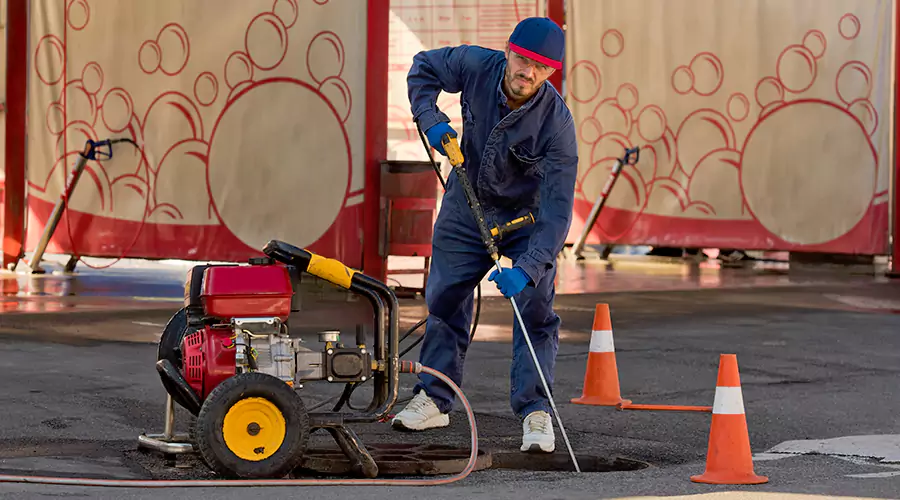
A main sewer line backup is considered one of the most serious plumbing problems that can be experienced in a home. When wastewater is not allowed to flow away from the property as designed, sinks, tubs, showers, and toilets can be affected at the same time. In many cases, water is seen rising from the lowest drain in the house, and foul odors are noticed throughout the property. Significant property damage can be caused if the problem is not addressed quickly. An understanding of what leads to a sewer line backup is essential so that early warning signs can be recognized and preventive steps can be taken.
How the Main Sewer Line Works?
The main sewer line is designed to carry all wastewater from the home to the municipal sewer system or a private septic tank. Every drain inside the property is connected to this single pipe. Gravity is relied upon to move waste through the line, and proper slope is required for smooth flow. Regular sewer line inspection can help identify potential blockages before they become major issues. When a blockage is created anywhere along this line, wastewater is forced back toward the home. Because all fixtures are connected, the lowest drain is usually affected first during a main sewer line backup.
In most American homes, sewer lines are installed underground and are made from materials such as PVC, cast iron, or clay. Over time, wear, soil movement, and environmental factors can cause damage to these pipes. When the system is compromised, a sewer line backup can develop without warning.
Tree Root Intrusion as a Leading Cause
Tree root intrusion is recognized as one of the most common causes of a main sewer line backup. Moisture is naturally attracted by tree roots, and even small cracks in underground pipes can be detected by roots seeking water. Once entry is gained, roots are expanded inside the pipe and are allowed to grow thicker over time.
As roots spread within the line, waste flow is restricted. Debris such as toilet paper and grease is trapped by the root mass, and a complete blockage can eventually be formed. In older neighborhoods where clay or cast iron pipes were installed decades ago, this issue is frequently reported. If root removal is delayed, pipe collapse can be caused and expensive excavation may be required.
Grease, Fat, and Household Waste Buildup
Grease buildup is considered another major factor behind a sewer line backup. When cooking oils and fats are poured down the drain, they are cooled and hardened inside the pipes. Over time, layers of grease are accumulated along the inner pipe walls. The diameter of the pipe is gradually reduced, and flow is slowed significantly.
In addition to grease, items that are not meant to be flushed are often introduced into the system. Paper towels, wipes labeled as flushable, feminine hygiene products, and excessive toilet paper are commonly found during sewer inspections. These materials are not easily broken down in water. When they are combined with grease and debris, a stubborn blockage is formed. Eventually, wastewater is prevented from moving forward, and a main sewer line backup is triggered.
Common Waste Materials That Contribute to Blockages
- Cooking grease and oils
- Flushable wipes and paper towels
- Feminine hygiene products
- Excessive toilet paper
- Food scraps from garbage disposals
Pipe Damage, Cracks, and Aging Infrastructure
Aging pipes are frequently associated with recurring sewer line backup issues. In many parts of the United States, sewer systems that were installed 40 to 60 years ago are still in use. Over time, corrosion can be experienced in metal pipes, and clay pipes can be cracked due to ground pressure.
Soil shifting caused by heavy rain, nearby construction, or natural settling can result in pipe misalignment. When sections of pipe are separated, waste flow is disrupted. Debris can become trapped at the offset joint, and a blockage can gradually be formed. If a pipe is collapsed entirely, wastewater can no longer pass through, and a severe main sewer line backup can occur inside the home.
Heavy Rainfall and Municipal Sewer Overload
During periods of intense rainfall, municipal sewer systems can be overwhelmed. Stormwater is often directed into the same sewer lines that carry household waste in older cities. When capacity is exceeded, back pressure can be created within the system. As a result, sewage can be pushed back into residential properties.
Even if the home's private sewer line is clear, a sewer line backup can still be experienced due to city system overload. Basements and lower-level bathrooms are most vulnerable in these situations. Backwater valves are often recommended in flood-prone areas so that reverse flow can be blocked before it enters the home.
Blocked Plumbing Vents and Airflow Problems
Proper airflow is required for wastewater to move freely through the plumbing system. Plumbing vents are installed through the roof to allow sewer gases to escape and to maintain balanced air pressure. If these vents are blocked by debris, leaves, bird nests, or snow, drainage can be slowed.
When negative pressure is created within the system, water may be drained slowly and gurgling sounds may be heard. Although vent blockages do not always cause a full main sewer line backup, they can contribute to drainage issues that lead to larger blockages over time. Regular roof inspections are recommended so that vent obstructions can be removed safely.
Warning Signs That Should Not Be Ignored
Early warning signs are often noticed before a serious sewer line backup develops. Multiple drains may be observed draining slowly at the same time. Toilets may be flushed and water may rise higher than normal before draining. Gurgling noises may be heard from sinks or tubs when other fixtures are used.
Unpleasant sewage odors may be detected indoors or in the yard. In some cases, wet patches may be seen in the lawn above the sewer line. When these symptoms are observed, professional inspection is strongly advised. By acting early, major property damage can often be prevented.
The Role of Sewer Line Backup Prevention
Effective sewer line backup prevention measures can be taken to reduce the risk of future problems. Regular camera inspections can be scheduled to identify cracks, root intrusion, and buildup inside the pipe. Hydro jetting services can be used to clear grease and debris safely.
Homeowners are advised to avoid flushing non-biodegradable items and to dispose of cooking grease in sealed containers rather than down the drain. Tree planting should be planned carefully so that large roots are kept away from underground sewer lines. In flood-prone regions, a backwater valve can be installed to stop reverse sewage flow.
Practical Prevention Steps for Homeowners
- Annual sewer camera inspections
- Professional hydro jet cleaning
- Proper disposal of grease and wipes
- Installation of a backwater valve
- Monitoring yard conditions above sewer lines
How a Sewer Line Backup Alarm Helps?
A sewer line backup alarm can be installed to provide early warning of rising wastewater levels. These devices are typically placed in the basement floor drain or sewer cleanout. When water levels are detected above normal limits, an audible alarm is triggered.
By receiving early notification, immediate action can be taken before sewage overflows into living areas. Damage to flooring, drywall, and personal belongings can be minimized when response time is reduced. For homes with finished basements, this added layer of protection is often considered a practical investment.
Final Thoughts on Main Sewer Line Backups
A main sewer line backup is caused by a combination of physical blockages, structural damage, environmental conditions, and system overload. Tree roots, grease buildup, aging pipes, and heavy rainfall are among the most common factors involved. Warning signs are usually present before a major failure occurs, and these signs should be taken seriously.
Through consistent sewer line backup prevention practices, regular inspections, and the installation of protective devices such as a sewer line backup alarm, the risk of costly repairs can be reduced. When the plumbing system is maintained properly and waste disposal habits are improved, long-term reliability can be achieved and unexpected backups can be avoided.
Frequently Asked Questions
What are the first signs of a main sewer line backup in a home?
Slow drains in multiple fixtures, gurgling toilets, and sewage odors in basements are commonly reported as early signs of a main sewer line backup in American homes.
Why does sewage come up through the basement floor drain?
When a sewer line backup is formed in the main line, wastewater is forced back through the lowest drain in the house, which is usually the basement floor drain.
Can heavy rain cause a main sewer line backup?
Yes, municipal sewer systems can be overwhelmed during heavy storms in many U.S. cities, and back pressure can be created that leads to indoor sewage backups.
How can sewer line backup prevention be handled effectively?
Regular camera inspections, grease control, root removal, and the installation of a backwater valve are commonly recommended for effective sewer line backup prevention.
Is a sewer line backup alarm worth installing in U.S. homes?
A sewer line backup alarm can provide early warning of rising wastewater levels, and property damage can often be reduced when immediate action is taken.